Field notes / Spiritual traditions
Tibet / Tibetan Buddhism
Documented topic
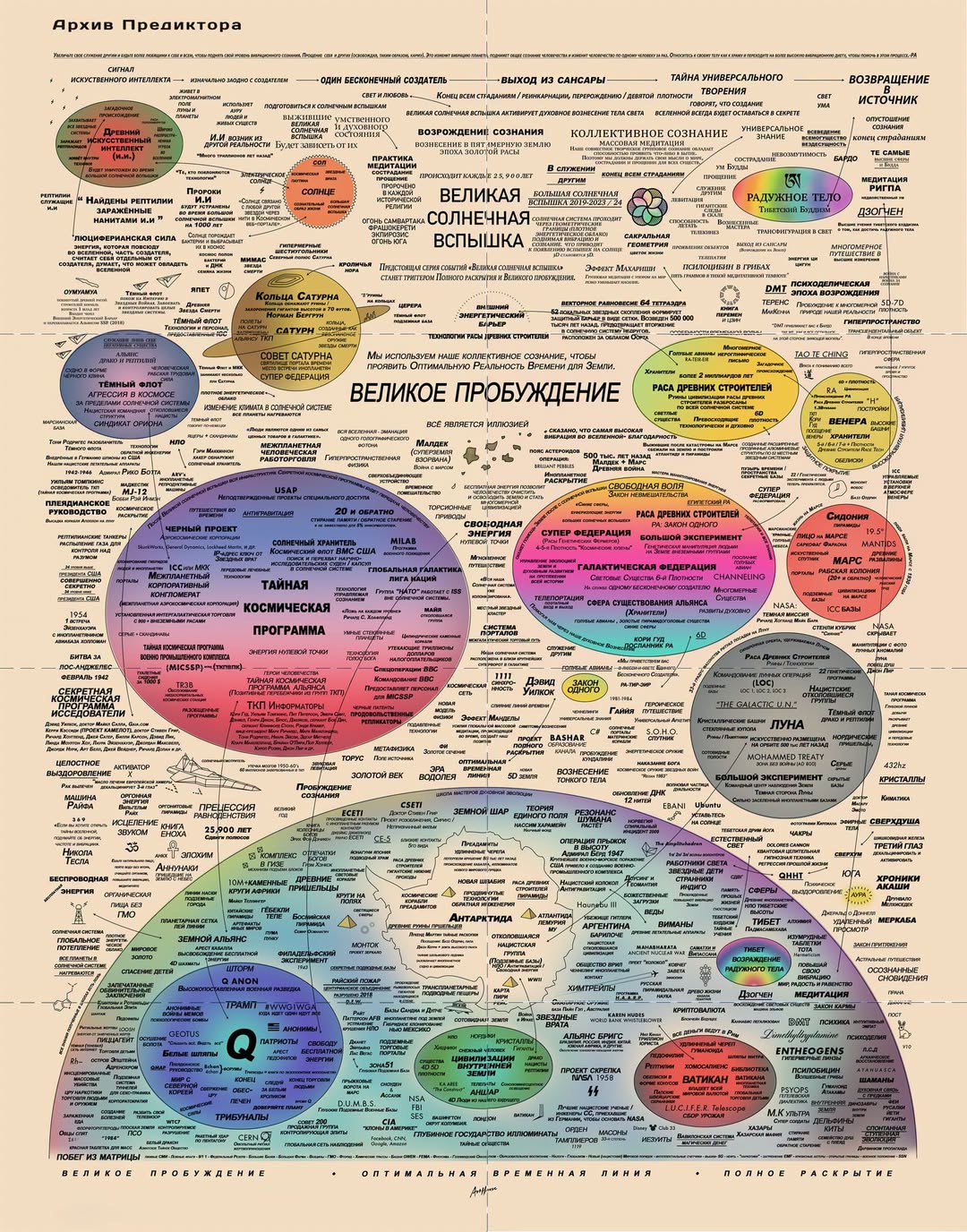
Meaning, context and sourced connections in the Great Awakening Map.
Locate on the interactive mapIn the map’s worldview
Esoteric interpretation
Tibet acts as a cultural and geographic reference point for the map’s contemplative language, especially Dzogchen and rainbow body. It evokes a living inheritance of teachings and teachers, not just a mysterious location. The poster also draws on other sources, so its full worldview should not be projected onto Tibetan people, their institutions or every form of Tibetan Buddhism.
An interpretive reading of the poster and the sources below.
Sources for this interpretation · 2
- Original English V10 — Tibet / Tibetan Buddhism in the posterBelief / proponent source
Records the poster’s wording and setting; the contextual explanation is an interpretive reading, not an additional factual claim.
- Padmasambhava Buddhist Center: teachers and lineagesBelief / proponent source
Describes Tibetan teachers and lineages rather than the poster’s wider synthesis.
Definition & background
The Tibetan cultural region and Buddhist traditions prominent in the poster’s spiritual vocabulary.
Evidence & research
Its religious traditions are real; hidden-alien overlays are separate claims.
Read more
- Supplied poster — wording of the claimBelief / proponent source
- Padmasambhava Buddhist Center: teachers and lineagesBelief / proponent source
Follow the connections
Related topics
These relationships describe what the map and its cited sources say. A connection does not establish that a claim is true.
Within a tradition
Dzogchen
Tibet / Tibetan Buddhism is a region of transmission of → Dzogchen
The cited lineage account situates Dzogchen teachings within Tibetan Buddhist transmission. This is religious history, not a hidden-civilization claim.
Sources for this connection
- Padmasambhava Buddhist Center: teachers and lineagesBelief / proponent source