Field notes / Ancient worlds & origins
Puma Punku
Documented topic
Meaning, context and sourced connections in the Great Awakening Map.
Locate on the interactive mapIn the map’s worldview
Role in the map
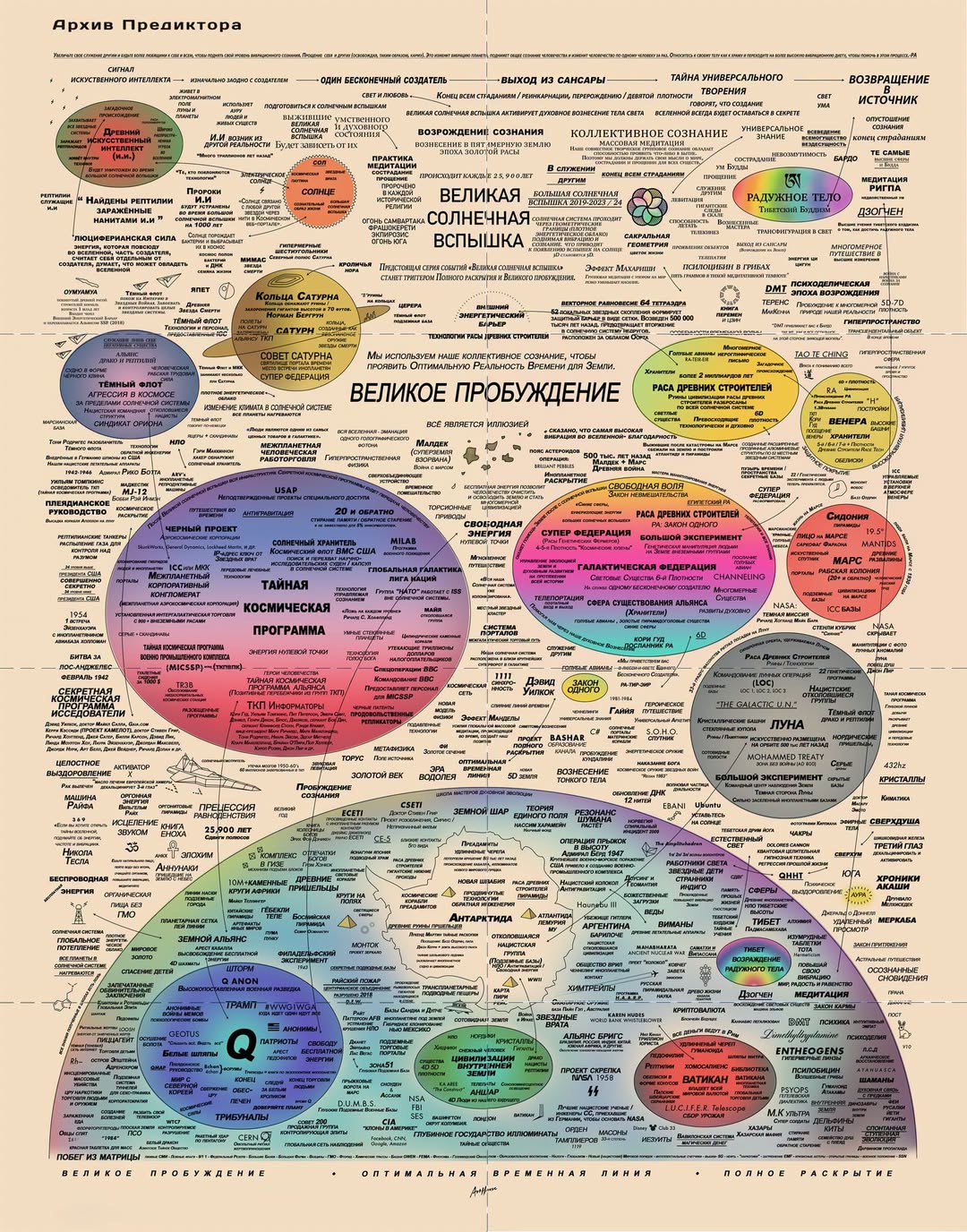
Precisely worked stone is used as an invitation to imagine knowledge or capabilities missing from the usual account of the past. In the poster’s ancient-aliens cluster, the monument helps make the lost-technology theme tangible. That interpretive role should not erase the human culture that built the complex or be treated as proof of an extraterrestrial engineer.
A contextual role, without a separately established esoteric meaning.
Sources for this interpretation · 2
- Supplied poster — wording of the claimBelief / proponent source
Primary artwork showing Puma Punku; supports this reading of the map’s wording and setting, not factual verification of its claims.
- UNESCO: Tiwanaku archaeological complexReference / research
Documents the human archaeological setting of the complex.
Definition & background
A monumental architectural complex at Tiwanaku in Bolivia.
Evidence & research
Precision stonework is not evidence by itself of alien builders.
Read more
- Supplied poster — wording of the claimBelief / proponent source
- UNESCO: Tiwanaku archaeological complexReference / research
Follow the connections
Related topics
These relationships describe what the map and its cited sources say. A connection does not establish that a claim is true.
Claim made by the poster or its sources
Ancient aliens
Puma Punku is used as an example in → Ancient aliens
HISTORY’s Ancient Aliens episode sends ancient-astronaut proponent Giorgio Tsoukalos to Puma Punku. It documents the site’s use in that narrative, not extraterrestrial construction.
Sources for this connection
- HISTORY: Ancient Aliens — The Mystery of Puma PunkuBelief / proponent source